Find us at:
HARKA ARCHITECTURE, LLC
7631 NE Glisan St.
Portland, OR 97213
Office@HarkaHQ.com
503.975.9471

HARKA ARCHITECTURE, LLC
7631 NE Glisan St.
Portland, OR 97213
Office@HarkaHQ.com
503.975.9471
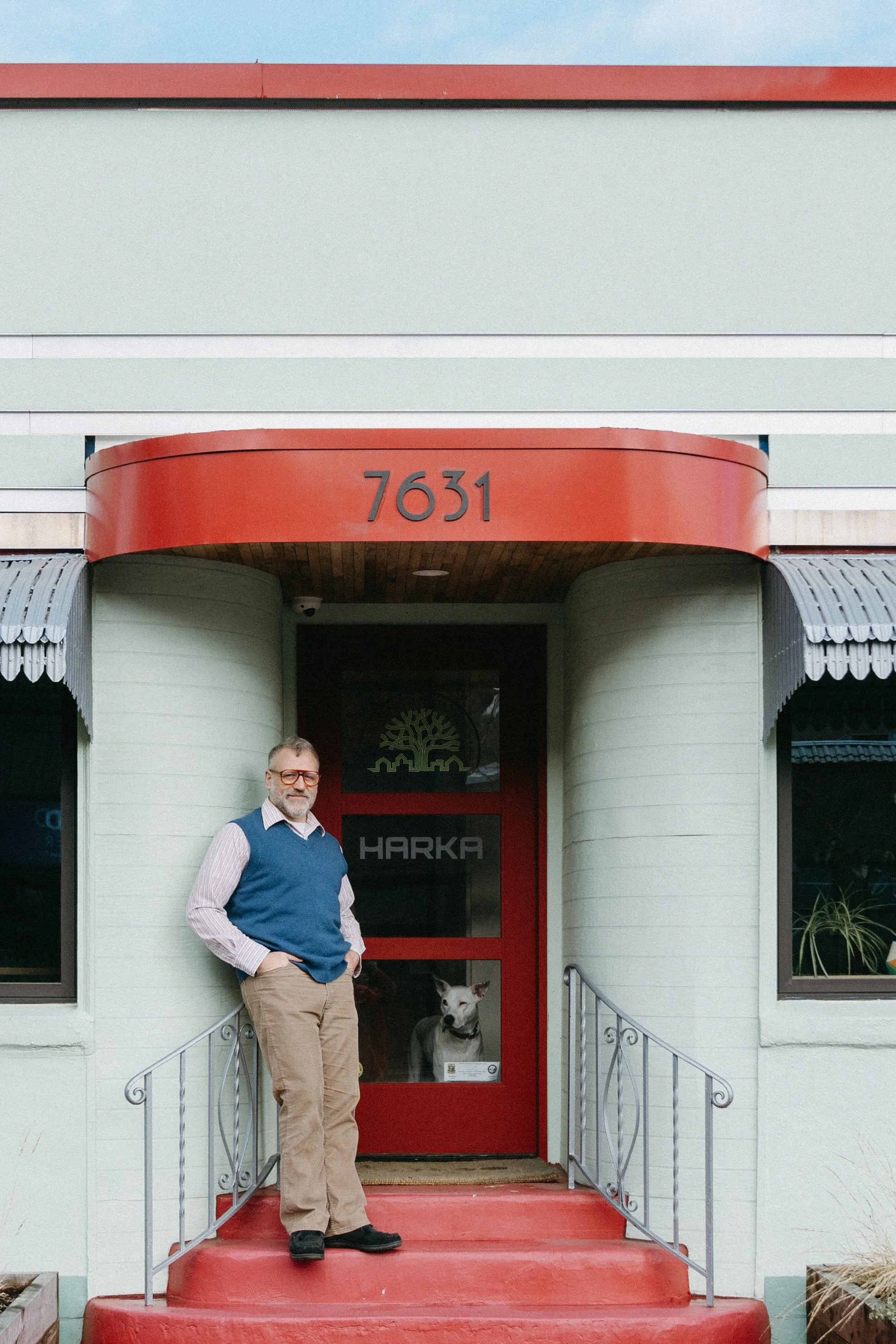
Many of us grew up with parents who hounded us to turn off the lights, close the front door, and for the love of all things holy, shut the refrigerator! Those habits stuck, and the constant reminder of energy costs became ingrained.
These conservation instincts have become less impactful over time. However, I still have a visceral reaction when I see someone staring into an open fridge. My motivation has shifted to lowering my carbon footprint and considering peak loads and dirty grids. We respond to the piece in MIT Technology Review published last year by James O'Donnell and Casey Crownhart called “We did the math on AI’s energy footprint. Here’s the story you haven't heard.” with some of the highlights of their findings along with a calculation we did ourselves, comparing it to something we all understand: leaving the fridge open.
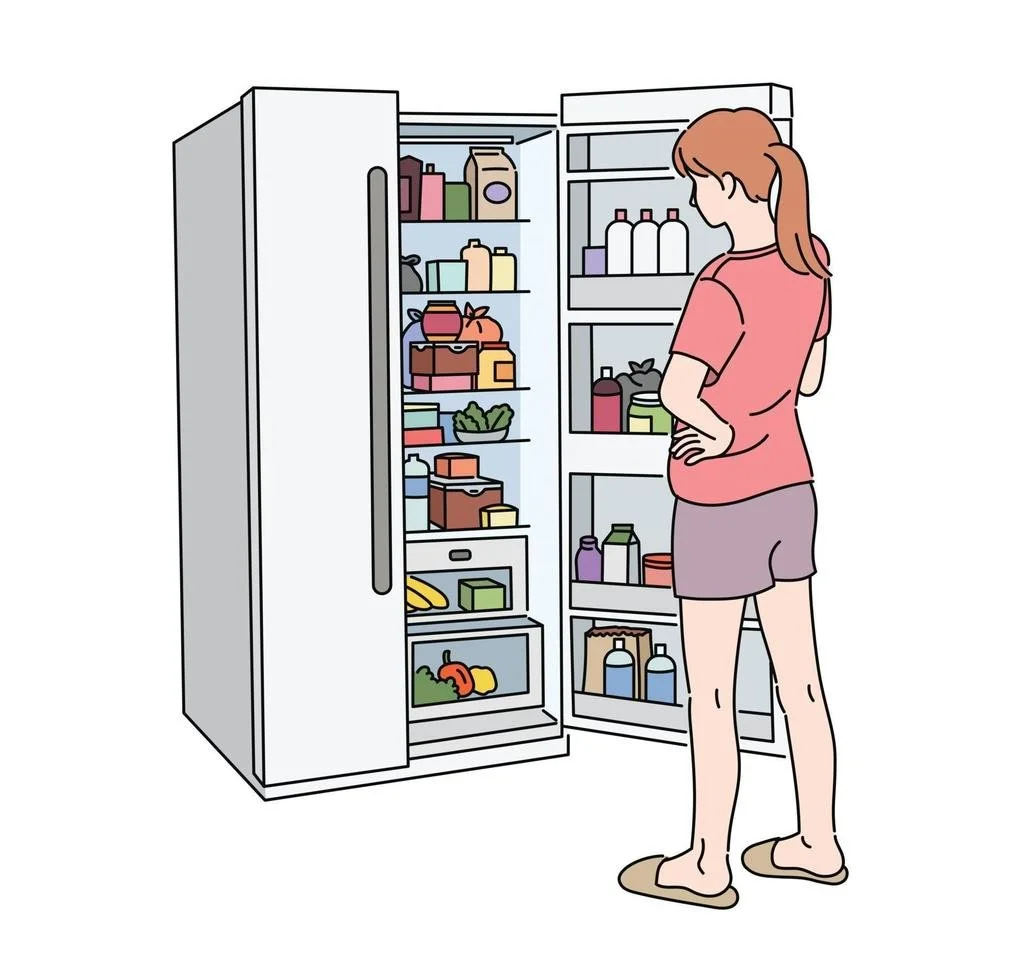
Oregon’s electrical grid and utility costs have been relatively stable since 1988 when our energy use transitioned from fuel oil and wood to natural gas and electricity. Over the past 8 years, that stability we have come to rely on has been shifting, as the state is experiencing a dramatic increase in the demand for electricity. A lot of people have associated these increases with more households and cars transitioning to electric. We decided to take a look at this and found that there is a much bigger elephant in the room.
In 2023, the Oregon Legislature passed House Bill 3409, establishing an Energy Performance Standard policyfor commercial buildings, often referred to as a Building Performance Standard (BPS). The initiative affects large existing commercial buildings and multifamily residential buildings. If you own or manage a large building in Portland, this may affect you.

We recently checked out Fireclays’s new showroom in downtown Portland. We are impressed with the breadth and quality of their tile and by their attention to sustainability and ethical working practices. We learned that their tile is made of 75%+ recycled content. This includes post-consumer porcelain and glass and refined granite dust collected from a neighboring quarry which also makes it super durable. They also told us they are on a mission to become a Zero Waste tile manufacture, and currently divert over 90% of their waste to recycling or compost alternatives. Check out their website for tile inspiration and to check out their line of clay fixtures which we have been very interested to check out.